Tell us about the job
Takes about a minute. No obligation.
Sizing a water heater in Cook County starts with what the equipment will be asked to carry, not what a catalog says a house of that square footage needs. 780 severe weather events were recorded in Cook County, Illinois between 2015 and 2024. At that rate, severe weather is a routine part of operating life here, not an occasional interruption, and a contractor who treats it as one will spec a unit to conditions that do not exist in this county. The quality of the install matters for the same reason: connections, fittings, and expansion components that hold up in a mild environment get tested harder here, and a water heater installation that skips those details costs more to own than the upfront quote suggests.
Ductwork aside, water heater installation in Cook County turns on what the existing electrical service was sized to carry. Half the homes in Cook County, Illinois were built in 1961 or earlier (2020-2024 ACS 5-year). Houses from that era were wired for the appliances of their time, and the panel capacity that made sense then does not always accommodate what a new unit draws. A contractor will open that panel before anything else gets quoted, because the electrical is where the job either stays simple or picks up scope.
What Gets Installed With a New Water Heater
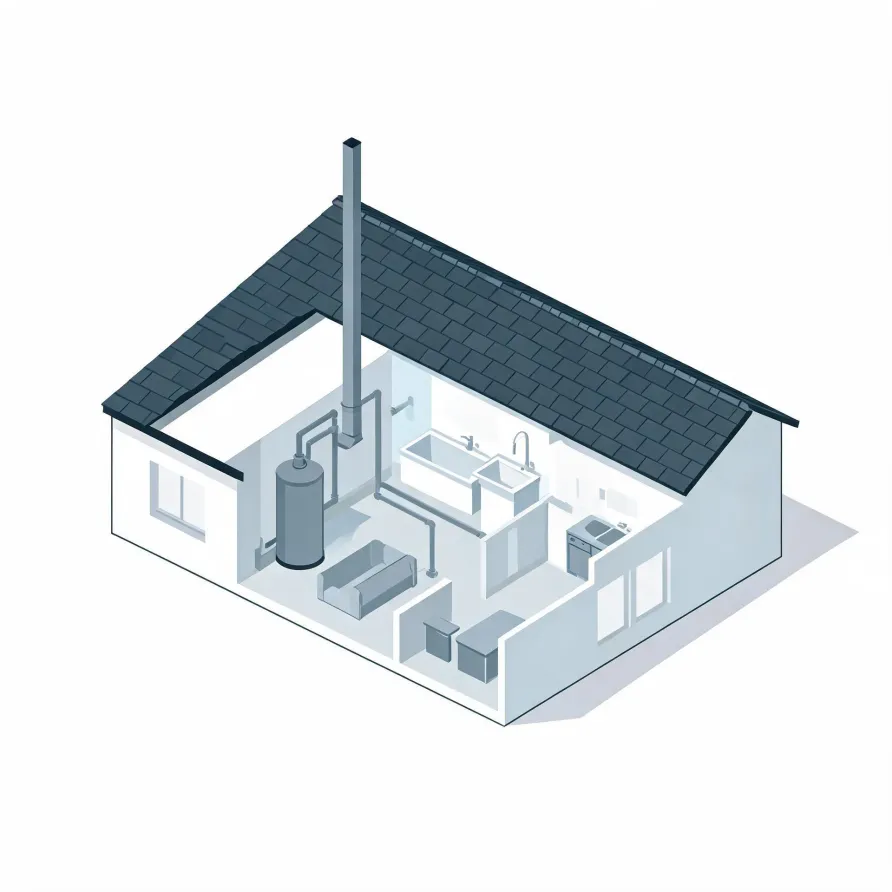
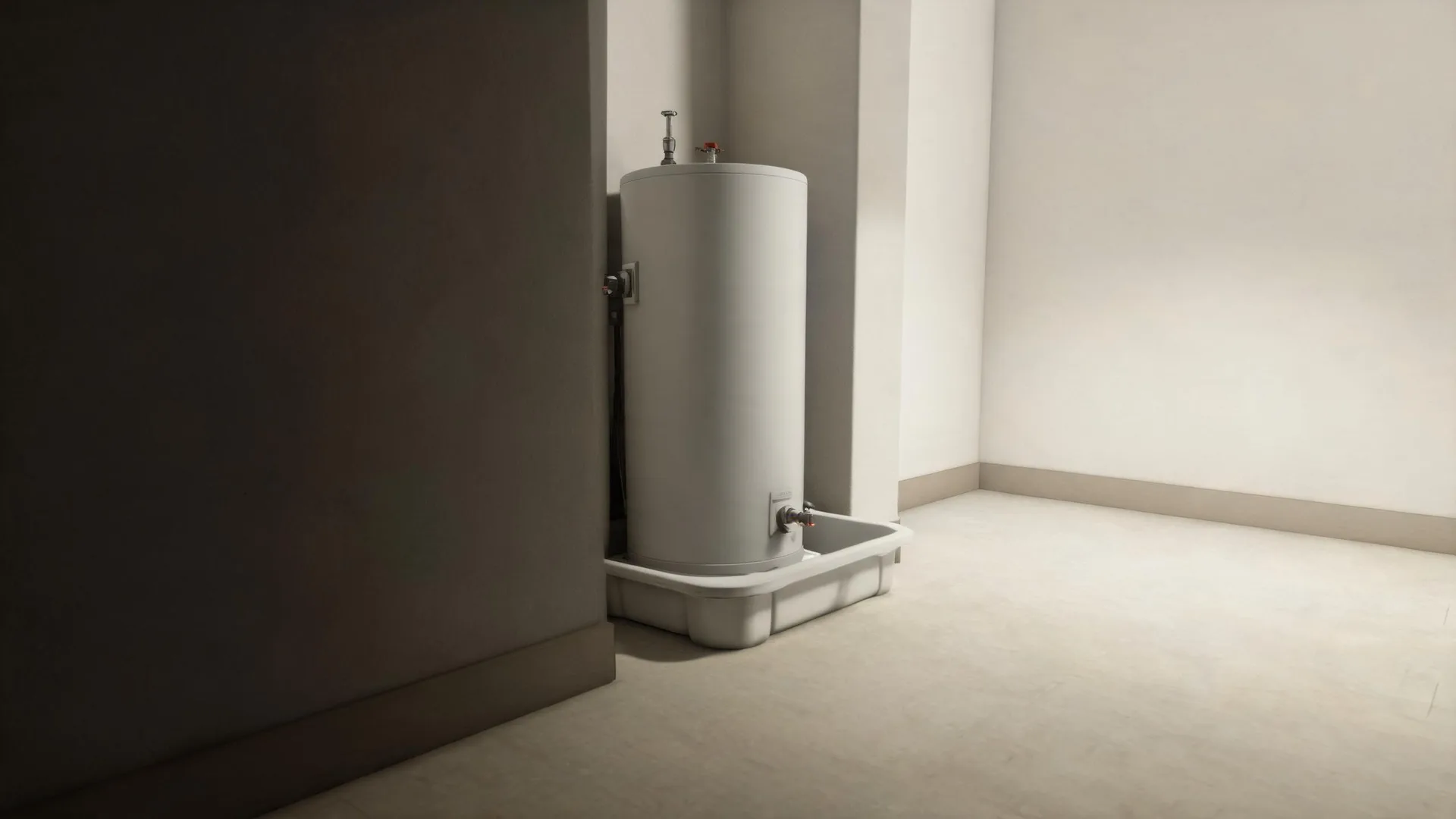
The tank is the centerpiece of the installation, sitting in a utility closet, basement, or garage and holding a supply of water that a contractor brings up to temperature through a gas burner or electric heating element at the base or inside the unit. The pressure relief valve mounts directly on the tank and is part of every installation.
Two pipe connections run into and out of the tank: a cold supply line feeding water in and a hot outlet line carrying it to fixtures throughout the house. A dedicated shutoff valve goes on the supply side, and a drain line runs from the relief valve to a safe discharge point nearby.
The drawing shows a typical layout, and a licensed contractor determines what applies to the specific setup in your home.
Get matched in Cook CountyCook County, by the numbers
780 severe weather events were recorded in Cook County, Illinois between 2015 and 2024.
NOAA National Centers for Environmental Information, Storm Events Database, bulk CSV export, events 2015-01-01 through 2024-12-31.Half the homes in Cook County, Illinois were built in 1961 or earlier (2020-2024 ACS 5-year).
U.S. Census Bureau, 2020-2024 American Community Survey 5-Year EstimatesCook County, Illinois holds 2,276,493 housing units (2020-2024 ACS 5-year).
U.S. Census Bureau, 2020-2024 American Community Survey 5-Year EstimatesOwners occupy 57.7% of the occupied homes in Cook County, Illinois (2020-2024 ACS 5-year).
U.S. Census Bureau, 2020-2024 American Community Survey 5-Year EstimatesWater Heater Installation Rules for Cook County, Illinois1 sourced codes and standards
Licensing and Legal Requirements in Cook County, Illinois
Illinois leaves HVAC licensing to the municipality: state law lets the corporate authorities of each city or village examine, license and regulate heating, air conditioning and refrigeration contractors, and caps the licence fee they may charge at $50 — so who licenses you depends on the town you work in.
Severe Weather Events in Cook County
Extreme weather puts real stress on water heating equipment, forcing it to work harder and wear faster than baseline conditions suggest. What happens in Cook County shapes what any water heater installed here will face over its life.
780 severe weather events, 2015–2024. Source: NOAA National Centers for Environmental Information, Storm Events Database.