Tell us about the job
Takes about a minute. No obligation.
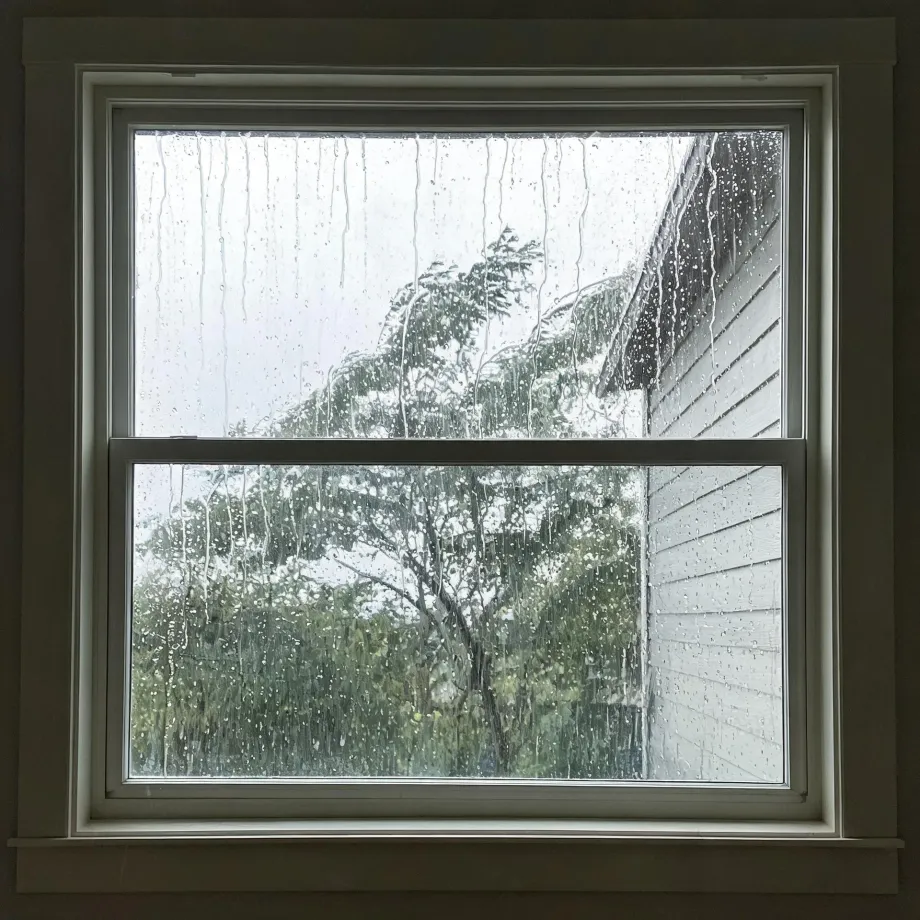
A contractor sizing or installing a water heater in Fayette County has to account for what the local climate actually demands, and the honest answer is that the demand is modest. 36 severe weather events were recorded in Fayette County, Illinois between 2015 and 2024. At that rate, severe weather is an event a system might encounter now and then, not a steady load bearing down on components year after year. A unit that fails here failed because of how it was installed, how old it is, or how little maintenance it received. The weather is rarely the story.
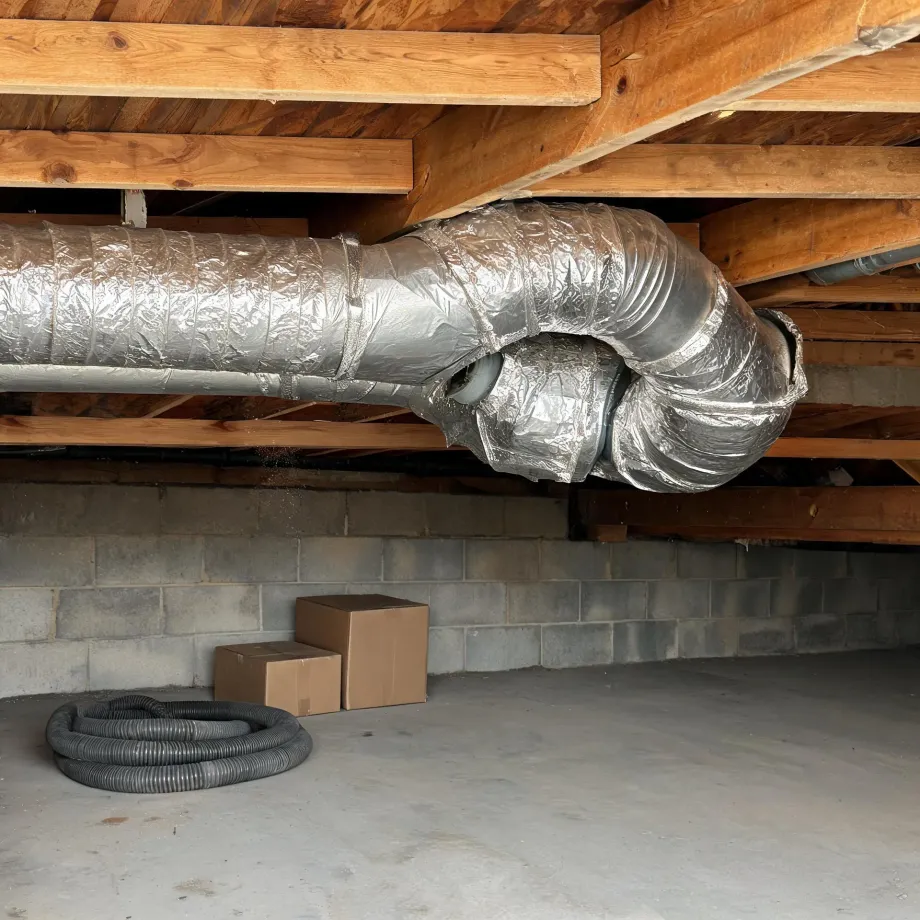
The electrical panel a house was built with was sized for what people used then, and water heaters now draw more than those original load calculations assumed. Half the homes in Fayette County, Illinois were built in 1972 or earlier (2020-2024 ACS 5-year). A contractor installing a water heater in stock like this checks the panel and the existing circuit before pricing anything else, because the wiring question decides whether the job is a straight swap or whether an electrician has to come first. That sequence changes the timeline and the total cost.
What a New Water Heater Installation Puts in Your Home
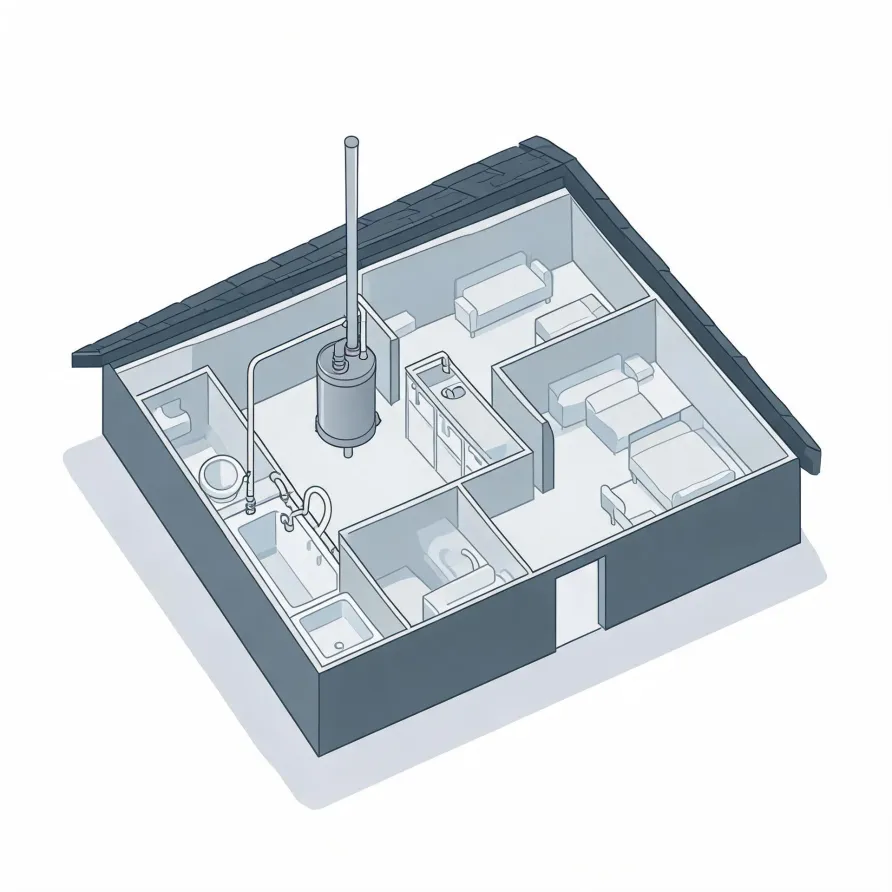
The tank is the piece a homeowner sees first. It sits in a utility room, basement, or garage and holds the water that gets heated and drawn whenever a tap opens. Attached to the top of the tank are the hot and cold supply lines that carry water in and out of the unit.
The pressure relief valve mounts on the side of the tank and opens automatically if pressure inside climbs too high. A drain valve sits near the base. The anode rod hangs inside the tank and slows corrosion of the steel interior. The flue or exhaust connection runs from the top of a gas unit up and out of the house.
The drawing shows a typical layout, and a licensed contractor determines exactly what applies to your home's setup.
Get matched in Fayette CountyFayette County, by the numbers
36 severe weather events were recorded in Fayette County, Illinois between 2015 and 2024.
NOAA National Centers for Environmental Information, Storm Events Database, bulk CSV export, events 2015-01-01 through 2024-12-31.Half the homes in Fayette County, Illinois were built in 1972 or earlier (2020-2024 ACS 5-year).
U.S. Census Bureau, 2020-2024 American Community Survey 5-Year EstimatesFayette County, Illinois holds 8,808 housing units (2020-2024 ACS 5-year).
U.S. Census Bureau, 2020-2024 American Community Survey 5-Year EstimatesOwners occupy 80.6% of the occupied homes in Fayette County, Illinois (2020-2024 ACS 5-year).
U.S. Census Bureau, 2020-2024 American Community Survey 5-Year EstimatesCodes & Standards Governing Water Heater Installation in Fayette County, Illinois1 sourced rules and standards
Licensing Rules for HVAC Work in Fayette County, Illinois
Illinois leaves HVAC licensing to the municipality: state law lets the corporate authorities of each city or village examine, license and regulate heating, air conditioning and refrigeration contractors, and caps the licence fee they may charge at $50 — so who licenses you depends on the town you work in.
Severe Weather Events in Fayette County
Weather in this part of Illinois puts real demand on water heating equipment. How hard a unit works over its life is partly a local question, and storm activity is one measure of that pressure.
36 severe weather events, 2015–2024. Source: NOAA National Centers for Environmental Information, Storm Events Database.