Tell us about the job
Takes about a minute. No obligation.
A contractor quoting a water heater installation in Scott County starts with what the household actually needs: how many people, what the existing plumbing allows, and whether the space suits a tank or tankless unit. 24 severe weather events were recorded in Scott County, Illinois between 2015 and 2024. At that rate, severe weather is an occasional fact of life here rather than a constant pressure on equipment, so it shapes the install less than factors like sediment-prone supply lines or an undersized breaker on the current setup. The size and configuration a contractor specifies come from the house, not from the forecast.
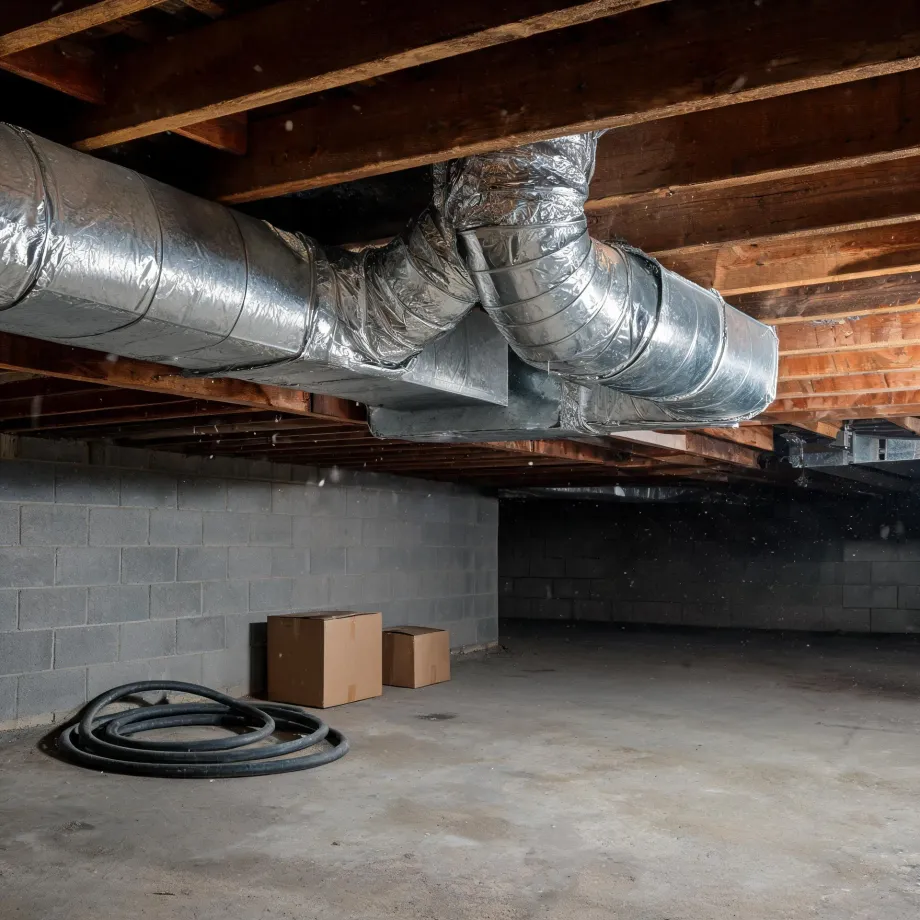
Ductwork laid down for an earlier era of water heating does not automatically match what a new unit needs, and in Scott County that gap is where most of the real work lives. Half the homes in Scott County, Illinois were built in 1963 or earlier (2020-2024 ACS 5-year). A house that old was built around equipment and venting standards that have since changed, which means the existing runs, connections, and clearances get evaluated before a contractor can commit to what the job actually involves. The electrical, too, gets checked against what a replacement unit draws.
What Gets Installed With a New Water Heater
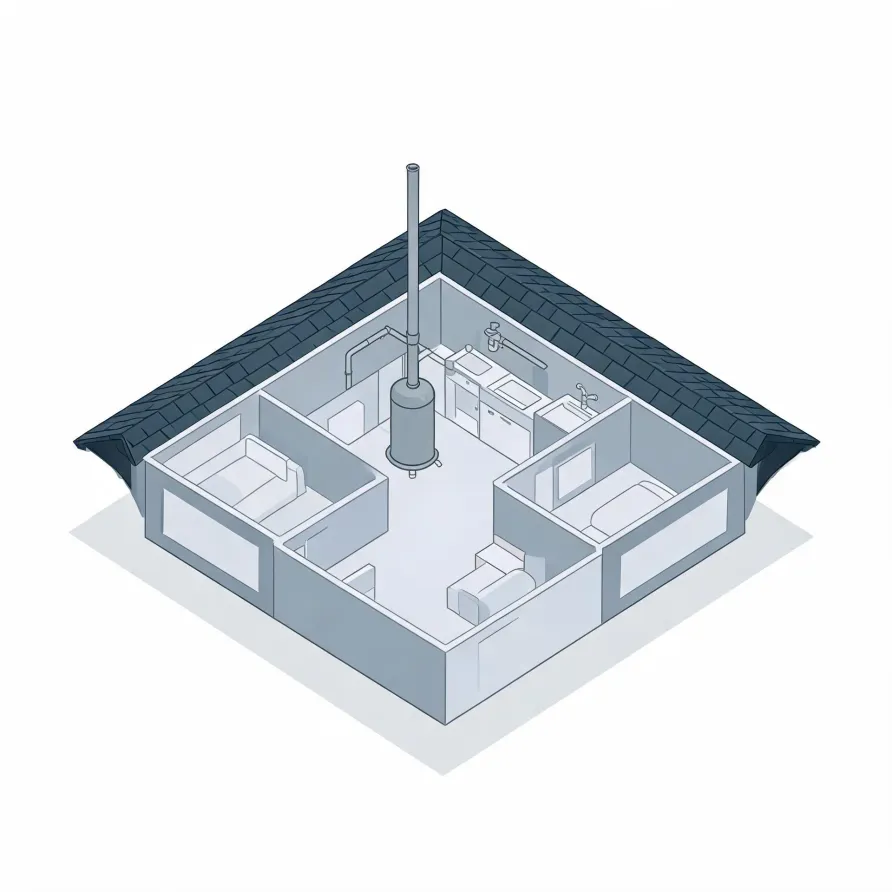
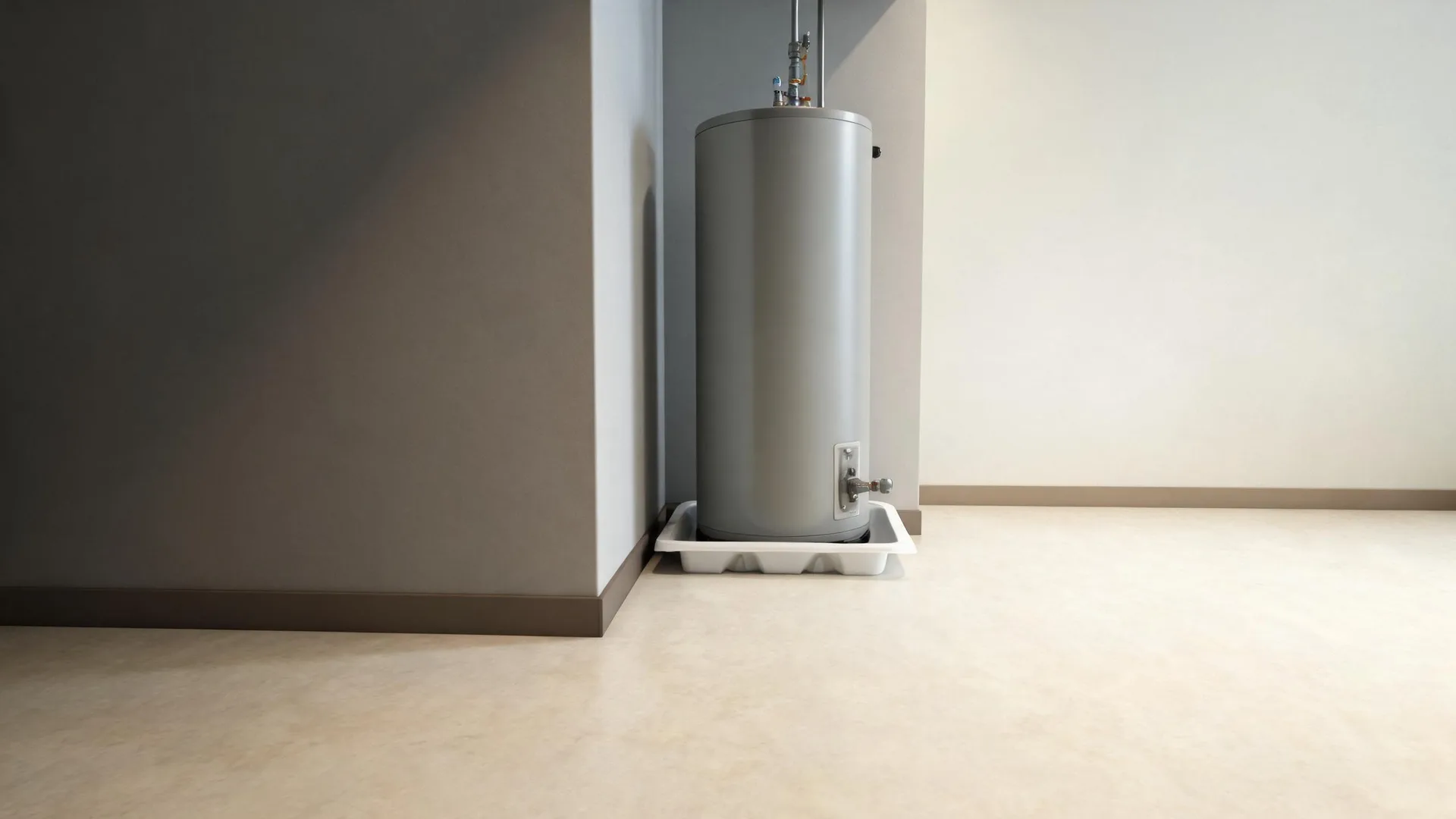
The tank is what most homeowners see first. It sits in a utility room, basement, or closet and holds the supply of heated water the house draws from. Attached to the top are the cold-water inlet and the hot-water outlet, the two pipes that tie the tank into the home's plumbing.
The pressure relief valve mounts to the side of the tank and opens if pressure inside climbs too high. A drain valve sits near the base. The flue or vent pipe runs from the top of the unit up and out of the house, carrying exhaust away from the living space.
The drawing shows a typical layout, and a licensed contractor determines exactly what applies to this house.
Get matched in Scott CountyScott County by the numbers
24 severe weather events were recorded in Scott County, Illinois between 2015 and 2024.
NOAA National Centers for Environmental Information, Storm Events Database, bulk CSV export, events 2015-01-01 through 2024-12-31.Half the homes in Scott County, Illinois were built in 1963 or earlier (2020-2024 ACS 5-year).
U.S. Census Bureau, 2020-2024 American Community Survey 5-Year EstimatesScott County, Illinois holds 2,384 housing units (2020-2024 ACS 5-year).
U.S. Census Bureau, 2020-2024 American Community Survey 5-Year EstimatesOwners occupy 79.0% of the occupied homes in Scott County, Illinois (2020-2024 ACS 5-year).
U.S. Census Bureau, 2020-2024 American Community Survey 5-Year EstimatesWater Heater Installation Rules for Scott County, Illinois1 sourced codes and standards
Licensing Rules for HVAC Work in Scott County, Illinois
Illinois leaves HVAC licensing to the municipality: state law lets the corporate authorities of each city or village examine, license and regulate heating, air conditioning and refrigeration contractors, and caps the licence fee they may charge at $50 — so who licenses you depends on the town you work in.
Severe Weather Events in Scott County
Weather swings put a cumulative load on water heating equipment that flat-climate assumptions never account for. How hard that equipment has to work in Scott County is a local fact, and the record below reflects it.
24 severe weather events, 2015–2024. Source: NOAA National Centers for Environmental Information, Storm Events Database.