Tell us about the job
Takes about a minute. No obligation.
A contractor called out to repair a water heater here starts by figuring out what the unit has been running against, because that shapes which components they look at and in what order. 84 severe weather events were recorded in Boone County, Illinois between 2015 and 2024. At that rate of exposure, sediment buildup, pressure valve fatigue, and wear on heating elements all move faster than they would somewhere the equipment sits through quieter seasons. Age and maintenance history still matter, but a contractor in Boone County weights environmental load early in the diagnosis rather than treating it as an afterthought.
A water heater sitting in a house built around the median year in this county has likely outlasted at least one previous unit, and the parts it takes may be harder to source than the equipment's outer condition suggests. Half the homes in Boone County, Illinois were built in 1986 or earlier (2020-2024 ACS 5-year). When a contractor opens a system in stock this old, the question driving the repair is whether the components it needs are still manufactured, or whether a sourcing problem turns a straightforward fix into a longer conversation about replacement. Sediment buildup, corroded fittings, and aging pressure relief valves are the findings that show up repeatedly in houses of this vintage.
The Parts of a Water Heater a Contractor Checks First
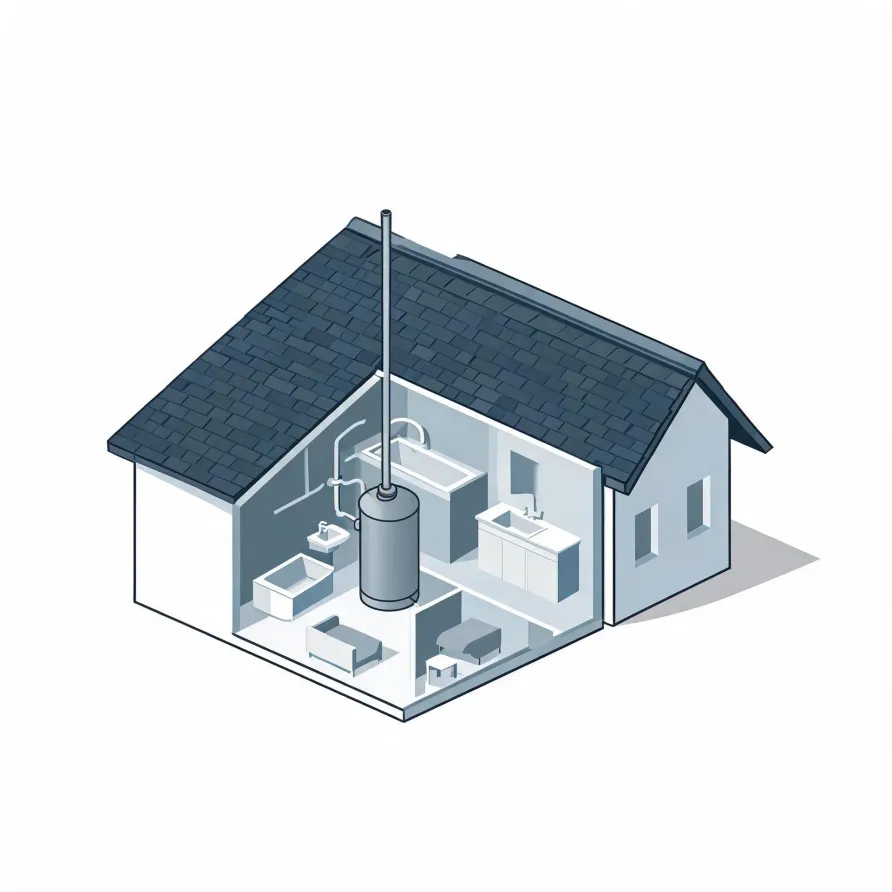
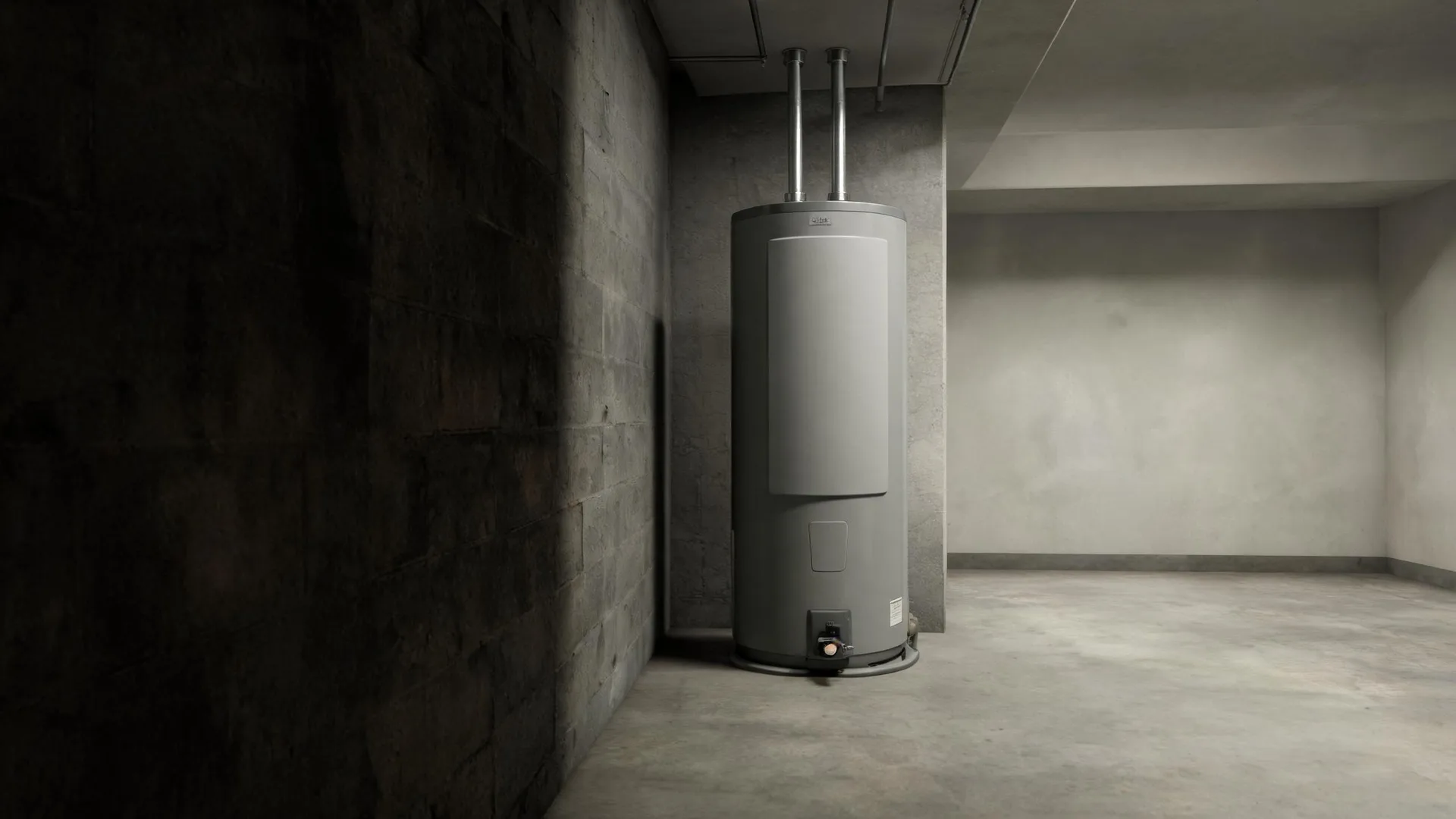
The tank is the piece most homeowners know: a large insulated cylinder that sits in a utility room, basement, or closet and holds water at a set temperature. The burner assembly or heating element sits at or near the base of the tank and is what actually raises the water temperature. When hot water runs out fast, arrives lukewarm, or does not arrive at all, one of these two is where a contractor looks first.
The thermostat controls the target temperature and signals the burner or element to run. The pressure relief valve mounts on the side of the tank and opens if pressure inside climbs too high. A sacrificial anode rod runs down through the top of the tank and slows internal corrosion. The dip tube carries cold incoming water to the bottom of the tank so it heats before reaching the outlet.
The drawing shows the general layout of a water heater, and a licensed contractor determines which parts apply and what condition they are in for your specific unit.
Get matched in Boone CountyBoone County, by the numbers
84 severe weather events were recorded in Boone County, Illinois between 2015 and 2024.
NOAA National Centers for Environmental Information, Storm Events Database, bulk CSV export, events 2015-01-01 through 2024-12-31.Half the homes in Boone County, Illinois were built in 1986 or earlier (2020-2024 ACS 5-year).
U.S. Census Bureau, 2020-2024 American Community Survey 5-Year EstimatesBoone County, Illinois holds 20,291 housing units (2020-2024 ACS 5-year).
U.S. Census Bureau, 2020-2024 American Community Survey 5-Year EstimatesOwners occupy 81.8% of the occupied homes in Boone County, Illinois (2020-2024 ACS 5-year).
U.S. Census Bureau, 2020-2024 American Community Survey 5-Year EstimatesCodes & Standards Governing Water Heater Repair in Boone County, Illinois1 sourced rules and standards
Licensing and Legal Requirements in Boone County, Illinois
Illinois leaves HVAC licensing to the municipality: state law lets the corporate authorities of each city or village examine, license and regulate heating, air conditioning and refrigeration contractors, and caps the licence fee they may charge at $50 — so who licenses you depends on the town you work in.
Severe Weather Events in Boone County
Boone County weather puts real stress on water heaters, forcing them to work harder and wear faster than the rated specs assume. How often that stress arrives is a local fact, and it shapes how frequently repair needs come up here.
84 severe weather events, 2015–2024. Source: NOAA National Centers for Environmental Information, Storm Events Database.